Organizing Comfortable and Efficient Transportation for Large Groups
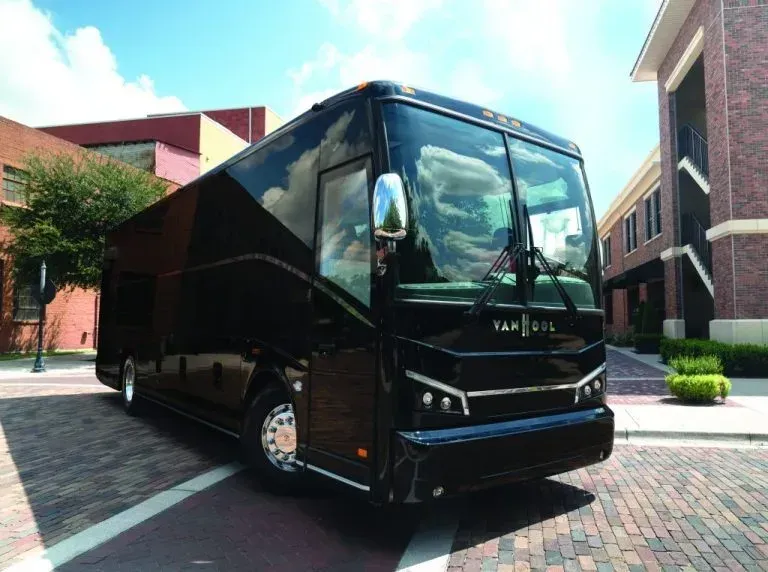
Coordinating transportation for a large group can quickly become a complex task when multiple schedules, pickup arrangements, and travel expectations are involved. Whether the occasion involves corporate gatherings, family celebrations, group outings, or special events, ensuring everyone arrives together and on time requires thoughtful planning. A well-organized transportation strategy helps eliminate confusion, reduces delays, and creates a more enjoyable experience for everyone involved. By understanding the key elements of group transportation coordination, organizers can create a seamless travel experience from group travel beginning to end.
When large groups travel together, transportation becomes more than simply moving passengers from one location to another. It becomes a significant component of the entire event experience. Effective coordination helps keep schedules on track, enhances communication among travelers, and supports a more comfortable trip. At A1 Quality Express Limousine, we know that well-planned transportation solutions help groups enjoy a confident and hassle-free travel experience.
Initiate Transportation Planning Well Before the Event
Efficient group transportation begins by planning early. Waiting until the last minute can limit available options and make it more difficult to accommodate the specific needs of the group. Organizers should first establish attendance numbers, travel dates, projected departure times, and destination details. Collecting this information in advance provides a strong basis for transportation plans that align with the event schedule.
Forward-thinking preparation allows planners to detect issues before they become significant problems. Transportation arrangements can be affected by traffic conditions, event timelines, pickup coordination, and accessibility requirements. By managing these considerations early, planners can create a transportation approach that promotes efficient group travel. Extensive preparation typically helps create smoother transportation experiences and minimizes unexpected challenges.
Assess the Number and Needs of Participants
An essential part of coordinating transportation involves understanding the group’s size and individual travel needs. Accurate passenger counts help ensure the appropriate vehicles are selected and prevent overcrowding or underutilized transportation resources. Organizers should confirm attendance numbers as early as possible and continue updating those figures as plans evolve.
Beyond passenger numbers, it is important to consider individual needs within the group. Some travelers may require additional luggage space, while others may need special accommodations or assistance. Recognizing these requirements helps transportation plans be tailored appropriately. Investing time in collecting detailed information helps support a smoother and more comfortable journey for everyone involved.
Design a Well-Organized Transportation Schedule
A well-defined transportation schedule functions as a guide for the whole group. Planners should specify departure schedules, pickup points, travel durations, arrival goals, and any scheduled stops. A precise itinerary reduces ambiguity and helps every participant stay informed about their responsibilities. Strong consistency and clear planning are vital when organizing transportation for bigger groups.
Effective communication greatly contributes to schedule reliability. Each participant should be informed of transportation details ahead of time. Sending itineraries through communication channels ensures all passengers remain updated. When participants have clear expectations, transportation operations tend to run more smoothly and efficiently.
Designate Centralized Gathering Locations
Organizing numerous pickup areas often increases logistical difficulty for large groups. Central pickup and drop-off points should be used whenever they improve convenience for participants. Combining meeting points simplifies boarding procedures and reduces delays from multiple stops. It also simplifies communication and improves overall efficiency.
Centralized points allow for easier confirmation of all travelers before departure. Group coordinators can confirm attendance, provide updates, and address concerns before departure. This method supports preparedness and keeps transportation operations on track. Clear meeting points contribute significantly to a well-coordinated travel experience.
Prioritize Clear Communication Throughout the Process
Strong communication is a critical factor in effective coordination of group travel. Group members should receive regular updates regarding schedules, pickup instructions, travel expectations, and any changes that may occur. Reliable information ensures passengers can prepare without uncertainty. Effective communication enhances efficiency and improves passenger experience.
Coordinators should set up consistent communication methods for all updates. Designated contacts and digital communication tools help spread updates quickly. Communication remains the core element that maintains alignment within transportation planning. Ongoing communication supports confidence and limits disruptions.
Anticipate Unforeseen Situations
Even the most carefully planned transportation arrangements can encounter unexpected circumstances. Weather conditions, traffic congestion, schedule adjustments, and participant delays may require quick decision-making. Flexible planning allows organizers to manage unforeseen situations effectively. Preparation creates greater resilience and helps maintain smooth operations despite changing conditions.
Contingency strategies should include backup plans, route alternatives, and key decision contacts. Having procedures in place for handling unexpected challenges helps reduce stress and supports a more organized response. Proactive strategies help maintain efficiency during necessary adjustments.
Highlight Comfort and Ease for Travelers
The comfort of travelers strongly influences the journey experience. Large groups frequently travel for long durations, making comfort and convenience essential. Proper seating arrangements and organized boarding improve the overall journey atmosphere. When passengers are comfortable, they tend to have a better experience and arrive ready.
Convenience also contributes to successful transportation coordination. Easy boarding systems, clear directions, and efficient scheduling reduce complications. Proper organization allows travelers to focus on the experience rather than planning details. A smooth and convenient trip often improves the overall success of the event.
Collaborate with Experienced Transport Providers
Handling group transportation requires managing many elements, making expert support important. Skilled transport professionals understand scheduling, passenger flow, and efficient operations. Their knowledge supports smooth navigation of logistical challenges and ensures reliability.
Experienced teams offer insights that improve planning and execution. Familiarity with large-group travel allows professionals to foresee challenges and offer guidance. Using expert support allows organizers to concentrate on the event while logistics are managed properly.
Make Transportation an Extension of the Event
Transportation functions best when integrated into the event experience. Proper coordination gives travelers time to unwind and connect before reaching their destination. When well organized, transportation enhances the overall experience and creates a welcoming environment.
At A1 Quality Express Limousine, we believe effective group transportation starts with careful planning, clear communication, and dedication to passenger satisfaction. Managing group transportation becomes easier when effective strategies are used. Attention to structure and comfort ensures successful group transportation experiences. We are proud to provide seamless travel experiences that give passengers confidence and ease.